
Post Written By Jackson Briar
The Risks of Driving with Low Tire Pressure: Safety Impacts and Solutions
Vehicle Specification Lookup Tool🔍
Find and filter vehicles by technical specifications.
For example, add filters to find all 2025 vehicles with over 300 hp and a second row headroom over 30 inches.
Tires wear due to an accumulation of miles and environmental conditions such as heat. Getting your tires replaced does not take a long time.
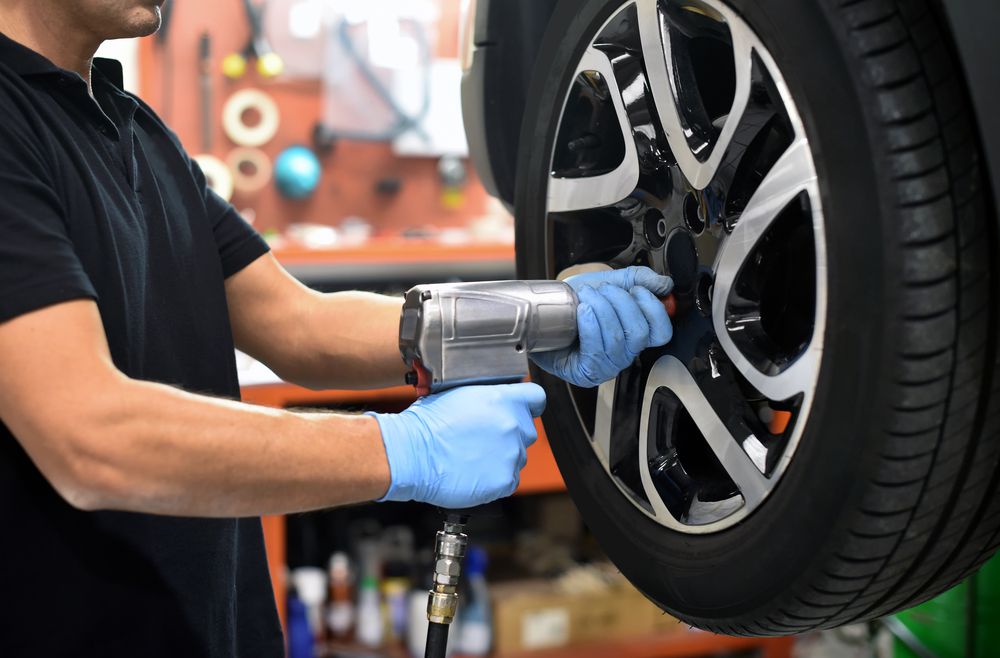
How long it take to get tires changed is usually 30 to 40 minutes, assuming a professional is using the right equipment and is competent.
However, differently sized tires, the number of lug nuts, and the state of the rims can significantly lengthen the change time.
Discover the duration for various types of tire changes, how long different professionals take, and even the time it takes to perform wheel alignment and balancing in the following sections.
Table Of Contents [show]

Unfortunately, there isn't a one-size-fits-all answer to your "how long does it take to get tires changed" question.
Most professionals take roughly 30 to 40 minutes to change four tires (typically ten minutes per tire), but this depends on your lug nuts and other factors.
If your car has suffered a barrage of muddy, salty water, the nuts might be jammed, meaning tire changes will take longer.
Plus, every vehicle has different-sized tires, and some have more lug nuts than others.
The half-an-hour-timeline is based on SUVs, so if you own a smaller vehicle, tire shops can often switch all four tires in an hour maximum.
Although, you should expect a longer service time if the mechanic conducts wheel balancing and corrects any misaligned tires.
The time it takes to change a tire varies depending on the tire shop.
Find America's most popular tire centers and their typing time for changing tires below:
The tire shop should take around 45 minutes to mount new tires on an average vehicle.
Since the process is relatively straightforward, professionals with the right equipment get the job done quickly — you won't have to wait at the tire center for hours on end.
Despite that, a busy auto care center and problems with the rims could increase the timeframe.
A well-known workshop is bound to be busy.
Therefore, you'll just need to wait your turn!
As you won't be the only customer, they might advise you to leave your vehicle with them so you can get on with your day.
However, when they get to your tires, they'll ensure the job is done as quickly as possible.
Sometimes, rims are jammed shut due to rust, dirt, or grime, making it difficult for mechanics to remove the current wheel and change tires.
If the lug nuts are overly stiff, they may use a rust remover or a lubricant to loosen them before attempting to change a tire.
Driving your car with flat or low-pressure tires can damage the rims.
The affected components must be serviced and lubricated never to leak air.
In this case, an individual tire change could take a while.
On average, wheel alignment takes from 30 minutes to one hour.
The more complex the suspension and the more adjustments required to correct the misaligned tires affect the duration.
If components need replacing, wheel alignment can take longer.
Proper alignment involves:
Typically, professionals conduct wheel alignment alongside balancing for maximum benefits.
If they use the correct equipment (i.e., a balancing machine), it could take between 40 minutes and two hours to balance your wheels.
So, changing tires and aligning the wheels could take over two hours.

While entrusting a professional with your tire replacement problem is easier, you don't always have this luxury.
For example, if you're caught with a flat tire in the middle of nowhere, and your phone's battery is dead — the only option is to change the car tire yourself.
Naturally, it's a nightmare if you don't know how to change tires, so it's best to learn.
If you have all the right tools and aren't afraid of DIY, it would take between 15 and 20 minutes to change one tire.
But if it's your first try, you could need at least half an hour.
Before you can change tires, you need the following tools:
Other helpful but not necessary tools are as follows:
Provided you have all the tools, go through each step below to change your car's tires without professional help:
As long as you know what you're doing and have the right equipment, conducting a tire change yourself is safe.
But changing tires without these crucial things is a recipe for disaster.
It can save money since you won't have to hire roadside assistance or tire service.
However, mechanics at tire shops know exactly what they're doing, ensuring you stay safe on the road with new tires.
So, if in doubt, leave it to a professional — after all, they'll even ensure perfect wheel alignment!

As you grow confident, changing a flat tire should only take 15 to 20 minutes.
It could take longer if the air pressure in the other tires needs refilling or if you have multiple flat tires.
In a perfect world, you would replace all four tires simultaneously unless you suffer a puncture in just one — there's no need to change all your tires if only one is damaged.
If you're changing tires due to tread wear from everyday use, your car benefits significantly from same-time replacements.
Whether changing one tire or four, ensure you utilize the same brand and model.
Using different brands or models can cause instability, making your car hazardous to other drivers.
Most professional mechanics can change tires in 30 to 40 minutes, provided it's a relatively simple job.
Of course, this doesn't include the time it takes to drive your vehicle to the auto shop or for the roadside assistance team to reach you.
Aligning and balancing the wheels significantly adds to the duration, so bear that during your garage visit.
Post Written By Jackson Briar
The Risks of Driving with Low Tire Pressure: Safety Impacts and Solutions
Post Written By Jackson Briar
Tire Replacement Time: How Long Should Changing Your Tires Take?

Post Written By Jackson Briar
Exploring Car Window Tint Options: Types and Benefits for Your Vehicle